


Benefits of Cardiac Rehabilitation
The benefits of cardiac rehabilitation are well established and scientifically documented, particularly for patients with a history of coronary artery disease, myocardial infarction, angioplasty, bypass surgery, heart failure or other cardiovascular conditions. Participation in a structured rehabilitation program is considered an essential component of modern cardiac care, contributing significantly to improved clinical outcomes and long-term health.
How Cardiac Rehabilitation Contributes
Reduction in mortality and hospital readmissions
Participation in an organized cardiac rehabilitation program has been associated with a reduced risk of cardiovascular mortality and a lower likelihood of recurrent cardiac events or hospital readmissions. Continuous monitoring and structured follow-up support safer recovery and long-term stability.
Improvement of functional capacity
Systematic and supervised physical activity contributes to improved aerobic capacity, muscle function and overall endurance. Patients gradually regain confidence in daily activities, experiencing less fatigue and improved physical tolerance.
Better control of cardiovascular risk factors
Through structured monitoring and education, patients achieve improved regulation of blood pressure, blood glucose, cholesterol levels and body weight. This coordinated approach supports long-term cardiovascular protection.
Reduction of cardiac symptoms
Many patients experience reduced symptoms such as angina, shortness of breath and early fatigue. As symptoms improve, daily functioning becomes easier and overall physical comfort increases.
Psychological benefits
After a cardiac event, anxiety and uncertainty are common. Structured rehabilitation helps reduce fear and emotional stress while strengthening confidence and a sense of safety during recovery.
Improved adherence to medical therapy and recommendations
Regular contact with the medical team and patient education encourage better adherence to prescribed medication and medical advice, supporting more effective long-term disease management.
Improved quality of life
Patients often report increased independence, better physical performance and greater participation in everyday and social activities, contributing to an overall improvement in quality of life.
Summary
Cardiac rehabilitation is an integral part of modern cardiology care. It is associated with improved prognosis, reduced complications and a holistic, individualized approach to patient management.
Frequently Asked Questions
Which patients benefit from cardiac rehabilitation?
Patients after myocardial infarction, angioplasty, bypass surgery, heart failure or those living with chronic cardiovascular conditions.
When should cardiac rehabilitation begin?
After medical evaluation and approval by the treating cardiologist, once the patient is clinically stable.
Is the program the same for everyone?
No. Each program is individualized according to the patient’s medical history, condition and specific needs.
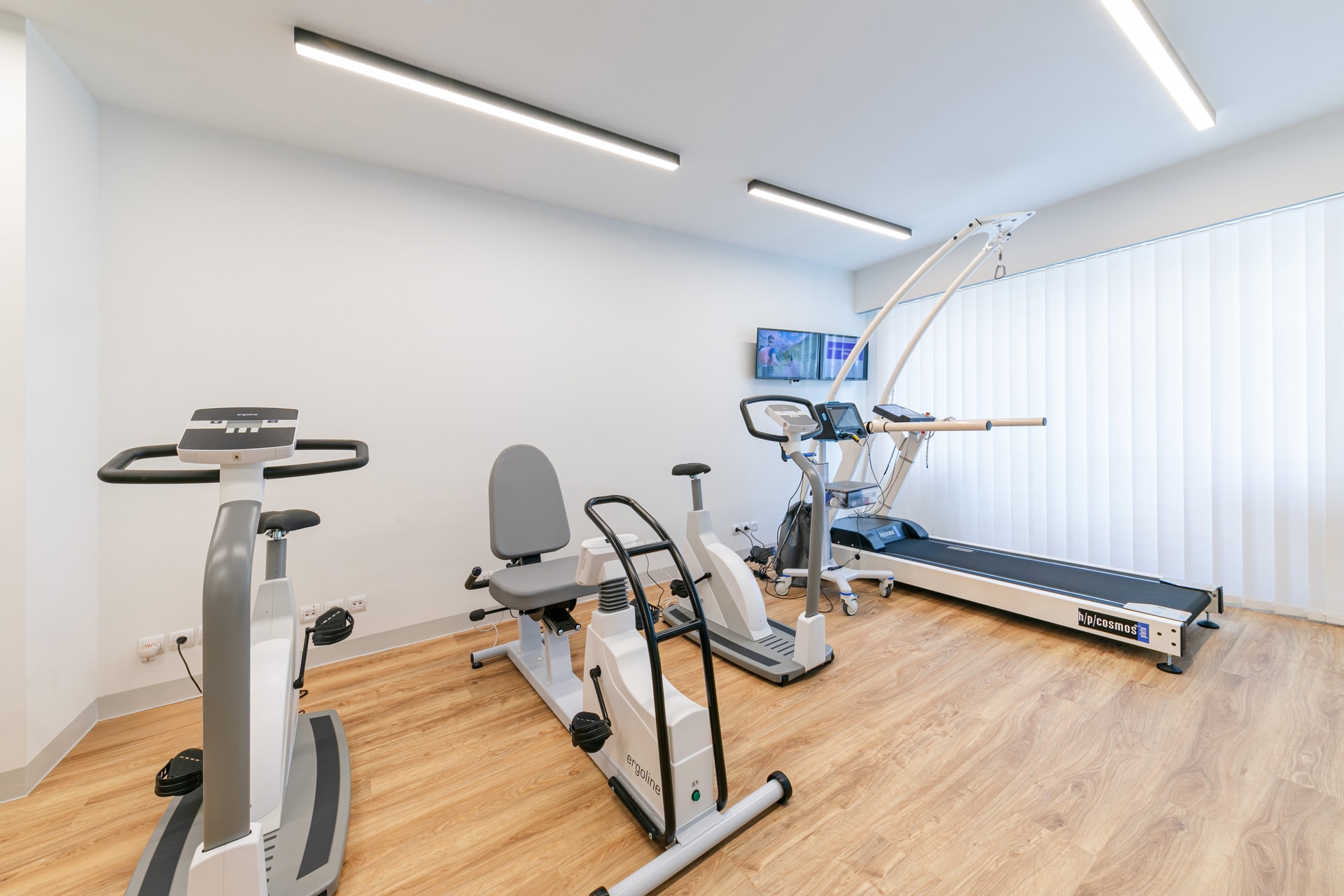
What is preventive cardiac rehabilitation and what are its benefits?
It is no coincidence that the saying "prevention is the best cure" exists. By participating in preventive rehabilitation programs at CardioFit, you strengthen both your body and mind, while avoiding potential future cardiac episodes and problems.
Cardiac rehabilitation with modern methods and safety
ERS is an intuitive and flexible system, which stores the protocol and data and monitors your exercise and how you are doing. and how you react to it.
What to expect from a cardiac rehabilitation program?
We “get to know” you and then accompany you on your journey toward health improvement, monitoring your progress throughout the program.